About
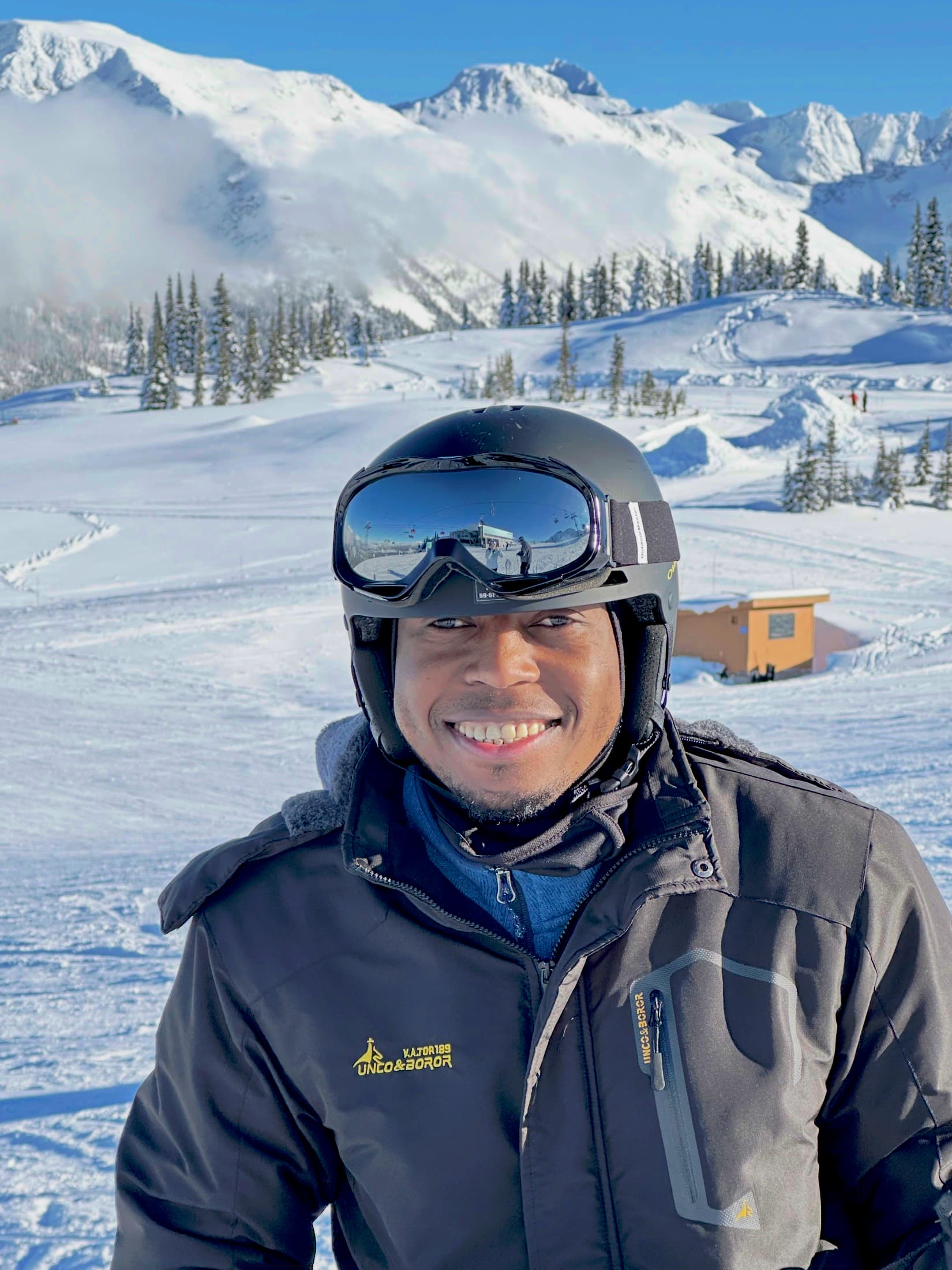
I’m an applied AI and data engineer in Seattle. I build school software that Tanzanian institutions run their terms on, the back office a safari operator books through, and a basketball analytics platform that has to hold up across a season.
Before that, I spent three years at LTIMindtree, building enterprise data platforms on Azure for Fortune 500 clients and leading the technical delivery for a team of thirty in Data & AI. In the summer of 2025, I developed a procurement agent for a marine logistics company: it retrieves policy documents, produces structured outputs, and includes a human approval step before anything leaves the system. I’m eager to create more of that kind of work—combining a solid data platform with models that show their source, wait for human approval, and deliver results that people rely on.
I grew up in a small village called Ngyeku in northern Tanzania, in the Arusha region. My journey to this point has been shaped largely by the people who chose to invest in me when they didn’t have to. My life changed at age twelve, when an NGO called The Foundation For Tomorrow (TFFT) discovered me and provided access to schools, teachers, and resources I wouldn’t have reached otherwise. In high school, a teacher named Michael Sarungi introduced me to programming by sitting me in front of a computer for the first time. I then came to the US in 2017 to continue my studies.
Thanks to my incredibly generous American family, I’ve been supported throughout my undergraduate and master’s education, since I arrived in 2017—and they continue to stand by me. I feel extraordinarily fortunate: I now have two families—one in Tanzania and one in the US—and both have helped shape the person I am today.
Highlights
How I work
Shule Fanisi looked like a records system until I got into the actual rules: every school grades on its own scale, fees are structured differently at every level, and the reports the government expects do not map cleanly onto any of it. The software got simpler once I stopped guessing at those rules and went and found them.
I would rather find out I am wrong early, though I am not always quick about it. My March Madness site advertised 79.6% accuracy for most of a season before I worked out that three of its features were broken, two of them leaking. The honest number was closer to 71%, which put the model behind the plain Elo rating sitting inside it. I deleted the model, published the estimated ceiling for the sport next to the new numbers, and wrote up how I had walked past the same mistake twice.
The mentoring at LTIMindtree is the part of that job I still think about. Several of the engineers I worked with moved into leadership roles afterwards. Before that I tutored algebra and calculus at Seattle Central College, with students from all over the world who were finding it hard going. I learned more about explaining a system in those two jobs than anywhere since.
The place I have learned to look hardest is wherever one thing hands off to another: data crossing a boundary, one service calling the next, a person typing into a form. Most of the failures I have had to debug started at one of those joins.
What I’m looking for
Right now I’m looking for work in data engineering or AI engineering, ideally somewhere close to the people using what I build. Seattle is home, though I would move for the right role.
I also work with teams now and then on AI and software problems. If you’re building something and think I could help, let’s talk.

Outside work
Seattle has reeled me in for good. Seahawks first, Mariners with patience, Manchester United out of long habit, and enough college basketball that it turned into a side project. When I am not at a screen I am usually on a bike or out running, which mostly gives the codebase a chance to think without me.